It may go without saying, but we’ll say it anyway. After more than a decade of camping nearly every weekend, we feel as though we’ve earned the right to offer a primer on campsite etiquette. Camping, for us, has always been about disconnecting from the noise of daily life and reconnecting with nature. But in recent years, we’ve notice a shift among our fellow campers. Some of them treat the outdoors like a personal playground rather than a shared resource. We attribute this more to a lack of self-awareness than actual malice. Many new campers simply haven’t learned campsite etiquette.
The immediate impetus for this post was a rather unfortunate situation with a neighboring camper who seemed to think nothing about parking his truck and trailer directly in front of our picnic pavilion, blocking our view of the forest beyond the road. Technically, he wasn’t in violation of camp rules. He correctly parked parallel to the road so as not to block traffic. The park ranger told us it’s the same as someone parking on the street in front of your house: as long as they’re legally parked, there’s very little to be done.
And so it comes down to campsite etiquette.
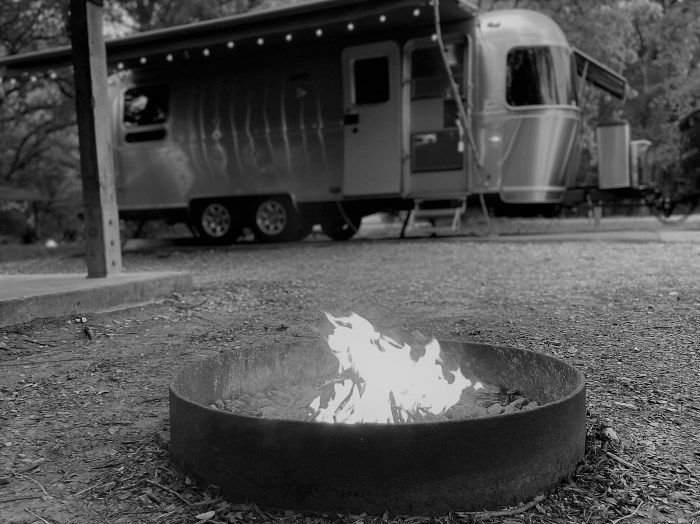
Etiquette is defined as polite behavior among members of a particular group. Thus, for the most part, even among the camping crowd (we’ve previously posted about the types of people we meet while camping — as we said then, some are folks we wouldn’t associate with under any other circumstances, but a shared “love of the outdoors and the desire for adventure can create strange bedfellows”), certain “unspoken” norms form a sort of “campers code.” For example, keep noise to a minimum during the campground’s designated quiet hours; only build fires in designated fire rings or pits, and never leave a fire unattended; don’t walk through other campsites; keep pets on a leash. This code of conduct seems to apply universally, regardless of whether you’re staying at a national park or a local campground.
But campsite etiquette isn’t just about being polite — it’s about protecting the environment, ensuring safety, and creating a positive experience for everyone. Here’s why it matters;
Protecting the Environment
Campsites are often located in fragile ecosystems. Straying off trails, leaving trash behind, or disturbing wildlife can cause long-term damage. By minimizing our human impact on the environment — sticking to designated areas, for example, properly disposing of waste, respecting wildlife, allowing nature’s sounds to prevail — we help to preserve our natural spaces for future generations.
Ensuring Safety
Simple actions like properly extinguishing campfires, storing food securely, and keeping a clean site can prevent accidents and deter wildlife. Good etiquette keeps everyone safe.
Creating a Positive Experience for All
Camping is a shared experience. Loud music, late-night noise, or walking through someone else’s site can disrupt the peace others came to enjoy. Respecting quiet hours and personal space helps everyone relax and recharge.
Supporting Sustainable Recreation
When campers follow the rules, it reduces the burden on park rangers and maintenance crews. This helps keep parks clean, open, and accessible — and ensures they remain a resource for all.
Building a Respectful Outdoor Community
Campsite etiquette fosters a culture of kindness and responsibility. A simple acknowledgement of a fellow camper builds a sense of community and shared stewardship of the outdoors.
Camping isn’t just about escaping anymore — it’s about being part of something bigger than yourself. When we treat nature and each other with respect, we create a culture that values mindful camping, which goes beyond simply following the rules. Mindful camping is about being fully present, intentional, and respectful of how we engage with nature and others. It’s about approaching the outdoors with awareness, gratitude, and responsibility. It’s about slowing down, tuning into your surroundings, and making choices that reflect care for the environment and the people around you.
By practicing good campsite etiquette, we protect the land, build respect for others, and ensure the outdoors remain a welcoming place for all.


 Garinns on the Go