We headed into our weekend camp-out at Loyd Park with heavy hearts. The January 7 killing of Renee Good, a 37-year-old U.S. citizen, by ICE agent Jonathan Ross in Minneapolis weighed on our minds. It wasn’t just the tragedy but what it symbolized. Earlier in the week, The New York Times published an interview with President Trump where he was asked if anything could limit his global power. His answer? “Yeah, there is one thing. My own morality. My own mind. It’s the only thing that can stop me.”
That line stuck with us. It felt overwhelming; exhausting.
The American journalist Garrett Graff calls this “the physical weight of Trumpism,” a shift from a world where certain things that were thought to be impossible to one where they suddenly become possible. That tiny change in calculous, from zero chance to non-zero, has altered how we live today. We find ourselves in a constant state of “what if?”
Dannagal Young, a professor of communications and political science at the University of Delaware, captured this an article published in Scientific American when she said the news cycle feels like being overwhelmed by a tidal wave. You can’t push back against a tidal wave. That’s the point. Steve Bannon’s media strategy of disorienting your political opponents by “flooding the zone” with chaos and disinformation has immobilized us. We find ourselves more anxious than ever, even when at rest, and unsure where to turn.
And so we turned to the latest streaming sensation, “Heated Rivalry,” the slow-burn romance about two professional hockey players who start as fierce rivals on the ice but whose deep attraction evolves from secret hookups to something more meaningful. The story focuses on how they navigate the pressures of fame, team loyalty, and the fear of being outed in a hyper-masculine sports world.
We found the story eerily similar to our own, when we were in active ministry and had to navigate the pressures of living a public life, representing an institution that taught we were morally problematic, and the fear of being outed by narrow-minded activists.
During the height of the U.S. Catholic Church’s child sexual abuse scandal, many gay priests lived in fear of being outed because conservative activists often framed the crisis as a “homosexual problem,” conflating homosexuality with pedophilia. This narrative ignored evidence that abuse was rooted in systemic failures of accountability, not sexual orientation, yet it gained traction in media and political circles. For priests who were gay, disclosure carried enormous risk: they could face professional ruin, public vilification, and internal Church scrutiny in an institution that already viewed homosexuality as “intrinsically disordered.” The double stigma of societal homophobia combined with ecclesial condemnation created a climate of suspicion, where being outed could mean being falsely associated with abuse. This fear silenced many and complicated efforts to address the real issue: institutional cover-ups rather than the presence of gay clergy.
For us, the only solution was to leave the active ministry and live open, honest lives.
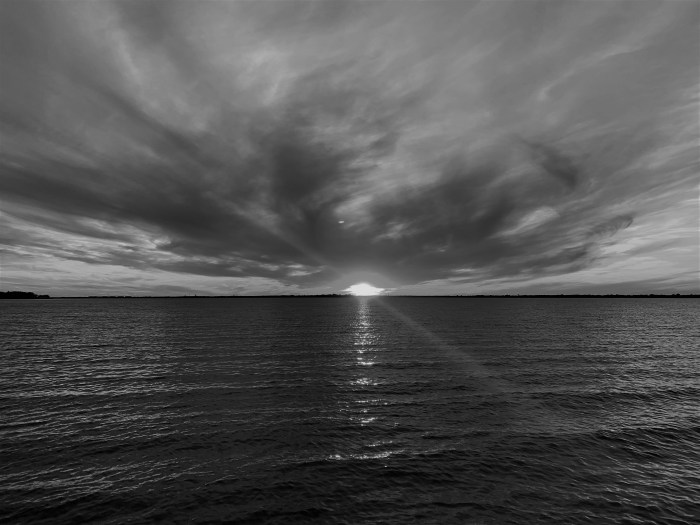
In the quiet of Loyd Park, we realized that the world’s weight doesn’t disappear, it shifts. It becomes something we carry together, something we can transform through intention. At a time when morality is fluid and truth is subjective, we can still create space for grace. We can still share stories that heal. We can still make a difference through simple acts of loving kindness. These things may feel insignificant against the enormity of today’s challenges, but they are not. They are anchors in the storm, reminders that morality isn’t just a private calculation, it’s a communal practice. We may not be able to stop the tidal wave, but we can choose where we stand when it hits, and, by doing so, we may begin to turn the tide.


 Garinns on the Go