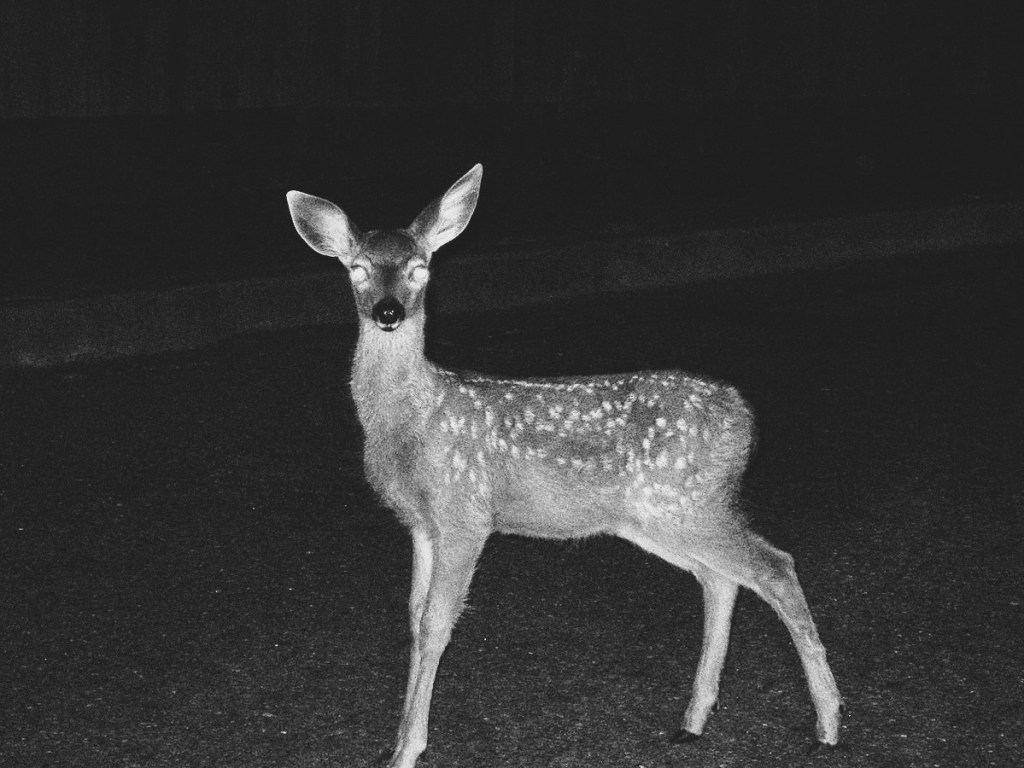
A sure sign of spring is daylight saving time, which occurred this weekend. We reluctantly accepted losing an hour of sleep because it meant we could leave a little later on Sunday. As people who travel often, we appreciate the 7.5 months we spend in daylight saving time. In fact, we’re among the majority of Americans who prefer doing away with standard time. It’s not just that the 4.5 months of standard time shrouds our afternoons and evenings in more darkness, standard time has higher crime, more vehicle collisions and fewer opportunities to enjoy the outdoors after work. There’s another problem with standard time that directly affects us: the risk of colliding with deer.
As we travel, we see uncounted numbers of wild animals killed by vehicles, especially deer. Laura Prugh, a wildlife biologist at the University of Washington, looked at over 1 million collisions between deer and vehicles in 23 states between 1994 and 2021. She and her research team found these collisions are 14 times as likely in the two hours after sunset, compared to the two hours before. Deer behavior does not quite explain this, since they are equally active at dawn and dusk. But traffic volumes are higher in the evening, and it’s harder for drivers to see things in the dark.
Many years ago, when Jon was traveling the back roads of southern Illinois one night, a deer darted out from the side of the road, bouncing off the hood of his car before dying in a ditch. He still drives with that traumatic incident in mind, white-knuckling the steering wheel while constantly scanning the road for the telltale reflective eyes of a deer caught in the headlights.
“Staying on daylight saving time year-round would prevent an estimated 36,550 collisions between deer and vehicles, whereas staying on standard time would add 73,660 of these collisions every year — a difference of more than 100,000,” Dr. Prugh writes. “The human toll of staying on standard time would also be significant: Compared to year-round daylight saving time, year-round standard time would cause 100 more deaths, 6,000 more injuries and at least $3.5 billion in costs every year through increased deer-vehicle collisions alone.”
The chances of encountering a deer during our upcoming trip to Illinois may be mitigated by an extra hour of daylight, but it won’t be eliminated. Every year, as people gripe about the time switch and demand some kind of action, we join the growing number of Americans who say it’s time to spring forward permanently, so we can all enjoy the benefits of brighter evenings year-round. The toll of switching back and forth on travelers and wildlife is simply too high.


 Garinns on the Go